
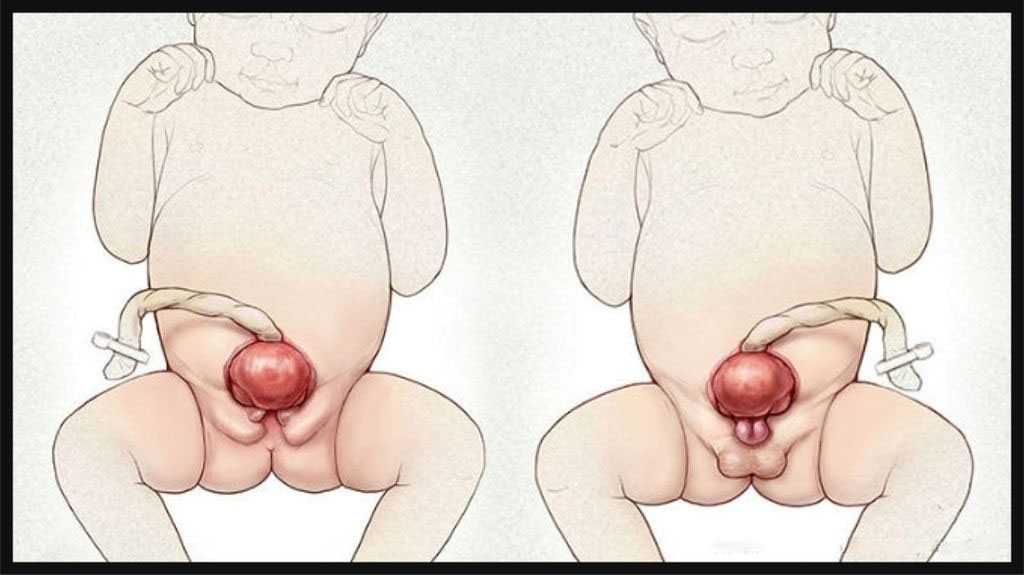
Bladder exstrophy is a rare and complex congenital condition that develops early in fetal growth. At birth, the bladder is open and exposed on the lower abdominal wall rather than enclosed within the body.
Bladder exstrophy affects multiple parts of the body, including the urinary tract, pelvic bones, abdominal wall, and reproductive anatomy. Care requires specialized surgical reconstruction beginning in infancy, along with coordinated, multidisciplinary follow-up across childhood and into adulthood.
Bladder exstrophy is a rare congenital condition in which a baby is born with the bladder located outside of the body. During normal fetal development, the lower abdominal wall and bladder close and form inside the pelvis. In bladder exstrophy, this closure does not occur completely, leaving the bladder open and exposed on the surface of the abdomen.
Because the bladder is not enclosed within the body, urine cannot be stored normally. The condition also affects surrounding structures including the pelvic bones, abdominal muscles, and reproductive organs. Bladder exstrophy is part of a broader group of conditions known as the exstrophy–epispadias complex (EEC).
Bladder exstrophy affects multiple parts of the body, including the urinary tract, pelvic bones, abdominal wall, and reproductive anatomy. Care requires specialized surgical reconstruction beginning in infancy, along with coordinated, multidisciplinary follow-up across childhood and into adulthood.
Understanding the condition, available treatments, and the resources available for families is an important first step after diagnosis.

Bladder exstrophy affects multiple systems in the body and is present at birth, impacting how the body develops and functions over time.
Common areas affected include:
Children born with bladder exstrophy share a set of anatomical features that guide treatment:
Bladder exstrophy is part of the exstrophy–epispadias complex (EEC), which includes epispadias and cloacal exstrophy. The specific anatomy of each child determines the surgical approach and long-term management plan, and care is tailored to each child’s individual needs.
Bladder exstrophy occurs in approximately 1 in 30,000 to 50,000 births worldwide. Because the condition is rare, many families have never encountered it before diagnosis.
It is more common in boys than girls and is seen across all populations.
Advances in pediatric urology and surgical care have made effective treatment possible. With appropriate medical treatment and long-term support, children born with bladder exstrophy can grow up to lead full, active lives.
Because bladder exstrophy is rare, families often benefit from working with specialized medical centers and support organizations that have experience treating the condition.
To learn more about the different forms of the condition, see Types of Bladder Exstrophy Conditions below.
Bladder exstrophy belongs to a group of related conditions known as the exstrophy–epispadias complex (EEC). These conditions vary in severity and involve differences in how the urinary and reproductive systems develop.
The three primary conditions in this spectrum include classic bladder exstrophy, epispadias, and cloacal exstrophy.
Classic bladder exstrophy is the most commonly recognized form of the condition. In this form, the bladder is open and exposed on the abdominal wall at birth.
Children with classic bladder exstrophy often have:
Treatment typically involves surgical repair of the bladder and surrounding structures, often beginning shortly after birth.
Epispadias is a related condition that affects the urethra. In epispadias, the urethra does not form normally and opens on the upper surface of the genitalia rather than at the tip.
Epispadias can occur on its own or as part of bladder exstrophy. When it occurs alone, it may cause difficulties with urinary control and may require surgical correction.
Because epispadias and bladder exstrophy share developmental origins, they are considered part of the same condition spectrum.
Cloacal exstrophy is the most severe form of the exstrophy–epispadias complex. It involves multiple systems of the body, including the urinary tract, intestines, and reproductive organs.
This condition is often referred to as OEIS complex, which stands for:
Bladder exstrophy is typically visible at birth because the bladder is exposed on the abdomen. However, the condition can also involve a range of symptoms related to the urinary system, pelvic anatomy, and reproductive organs.
Some individuals may experience urinary control challenges, bladder function differences, or other related conditions. To learn more about the signs and symptoms associated with bladder exstrophy, visit our detailed guide on Bladder Exstrophy Symptoms.
Bladder exstrophy can often be diagnosed before birth during a routine prenatal ultrasound. Doctors may notice that the bladder does not appear normally within the abdomen, prompting further evaluation. In other cases, the condition is diagnosed immediately after birth because the bladder is visibly exposed. A pediatric urologist or specialized medical team typically performs additional examinations to confirm the diagnosis and develop a treatment plan.
Learn more about testing and diagnosis in our Bladder Exstrophy Diagnosis guide.
Treatment for bladder exstrophy focuses on reconstructing the bladder, protecting kidney function, and improving urinary control. Surgical repair is the primary approach used to treat the condition. Treatment plans vary depending on the child’s anatomy and the medical center providing care.
In some cases, surgeons perform a primary repair of bladder exstrophy (CPRE) shortly after birth. This procedure closes the bladder and abdominal wall and reconstructs the urinary tract.
The goal of primary repair is to place the bladder inside the body and create the foundation for normal bladder growth and function.
In some cases, surgeons perform a primary repair of bladder exstrophy (CPRE) shortly after birth. This procedure closes the bladder and abdominal wall and reconstructs the urinary tract.
Another approach involves staged surgical repair, where reconstruction is performed through a series of procedures over time.
This approach may include:
Both surgical approaches aim to help children achieve the best possible urinary function and quality of life.

Children born with bladder exstrophy typically receive care from a multidisciplinary medical team with experience treating complex urinary conditions. Because the condition affects multiple parts of the body, treatment often involves several specialists working together to support the child’s health and development.
The care team may include:
Many families choose to work with Centers of Excellence or hospitals that specialize in bladder exstrophy treatment, where experienced teams are familiar with the unique needs of children born with this condition.
The exact cause of bladder exstrophy is not fully understood. Researchers believe the condition occurs early during fetal development when the structures of the lower abdominal wall and bladder do not close properly.
Most cases occur randomly and are not linked to actions taken during pregnancy. However, ongoing research continues to explore possible genetic and developmental factors that may contribute to the condition. Learn more about the potential causes and risk factors in our Bladder Exstrophy Causes guide.
Although bladder exstrophy is a complex congenital condition, many individuals grow up to live active, fulfilling lives. Advances in pediatric urology, reconstructive surgery, and long-term care have significantly improved outcomes for children born with this condition.
Living with bladder exstrophy often involves ongoing medical care and follow-up, particularly during childhood and adolescence. However, with appropriate treatment and support, many children participate fully in school, sports, and social activities.
Because the condition affects the urinary system and pelvic anatomy, some individuals may require additional procedures or specialized care as they grow. Long-term follow-up helps ensure bladder health, kidney protection, and overall well-being throughout childhood and adulthood.
Yes. Bladder exstrophy is considered a rare congenital condition. It occurs in approximately 1 in 30,000 to 50,000 live births worldwide. Because the condition is uncommon, many families have never heard of bladder exstrophy before receiving a diagnosis.
Despite its rarity, specialized medical centers and pediatric urologists have developed advanced surgical techniques that allow many children with bladder exstrophy to grow up healthy and active.
Bladder exstrophy develops very early during pregnancy while the urinary system and abdominal wall are forming. During normal development, these structures close and form inside the body. In babies with bladder exstrophy, this closure does not occur completely.
Researchers believe the condition results from a combination of developmental and genetic factors, although the exact cause is still being studied. In most cases, bladder exstrophy occurs randomly and cannot be prevented.
Yes, in many cases bladder exstrophy can be detected during prenatal ultrasound. Doctors may notice that the bladder is not visible inside the abdomen or that the lower abdominal wall appears different than expected.
If bladder exstrophy is suspected before birth, additional imaging or specialist consultations may help confirm the diagnosis and prepare a treatment plan for after delivery.
Treatment typically involves surgical reconstruction of the bladder and surrounding structures. The goal of surgery is to place the bladder inside the body, support normal bladder growth, and improve urinary function.
Depending on the child’s anatomy and the medical center providing care, treatment may involve a primary repair procedure shortly after birth or a staged surgical approach over time. Ongoing medical follow-up helps ensure long-term bladder and kidney health.
Bladder exstrophy itself is not usually life-threatening, but it does require specialized medical care. Without treatment, the exposed bladder can lead to complications involving urinary function and infection risk.
With modern surgical treatment and proper follow-up care, many individuals with bladder exstrophy grow up to lead healthy and active lives.
Many children with bladder exstrophy grow up to participate in school, sports, and everyday activities just like their peers. Advances in surgical care and long-term medical management have significantly improved quality of life for individuals born with the condition.
Every child’s experience is unique, and some individuals may require ongoing care or additional procedures. However, with support from medical professionals and family networks, many people with bladder exstrophy lead fulfilling lives.
Many adults with bladder exstrophy are able to have families of their own. Fertility and reproductive health can vary depending on the individual and the specific anatomy involved in the condition.
Adults with bladder exstrophy are encouraged to work with urology specialists and reproductive health providers who understand the condition and can provide guidance when planning a family.
Families affected by bladder exstrophy often benefit from connecting with organizations and communities that understand the condition. Support networks can provide education, emotional support, and opportunities to connect with other families navigating similar experiences.
Organizations like A-B-E-C (Association for the Bladder Exstrophy Community) offer resources, educational programs, and community connections for individuals and families affected by bladder exstrophy.