
Bladder exstrophy develops during early pregnancy when the lower abdominal wall and bladder do not close properly while a baby is forming in the womb. This rare congenital condition occurs during the early stages of fetal development when the urinary system, pelvic bones, and surrounding tissues are developing.
Treatment approaches vary depending on the child’s anatomy and the medical center providing care. Some children undergo a single-stage repair shortly after birth, while others receive staged surgical reconstruction over time. In many cases, additional procedures may be needed later in childhood to improve bladder function and urinary control.
With advances in pediatric urology and surgical techniques, outcomes for children born with bladder exstrophy have improved significantly over the past several decades.
Surgeons use two main approaches to repair bladder exstrophy. The approach chosen depends on the child’s anatomy, the surgeon’s expertise, and the medical center’s treatment philosophy.
Primary repair—often called complete primary repair of bladder exstrophy (CPRE)—is a surgical procedure performed soon after birth. During this operation, surgeons close the bladder and abdominal wall while also reconstructing the urinary tract.
The goals of primary repair include:
This procedure is typically performed by experienced pediatric urology teams shortly after birth.
Another treatment approach involves staged reconstruction, where repair occurs through a series of procedures performed over time.
The staged approach may include:
This method allows surgeons to address different aspects of the condition gradually as the child grows.
Bladder exstrophy surgery is performed by specialized surgical teams and usually takes several hours. The procedure involves careful reconstruction of multiple structures affected by the condition.

One of the first steps of surgery is closing the bladder and placing it inside the abdomen. Surgeons bring the bladder tissue together and repair the abdominal wall to protect the bladder and allow it to function within the body.
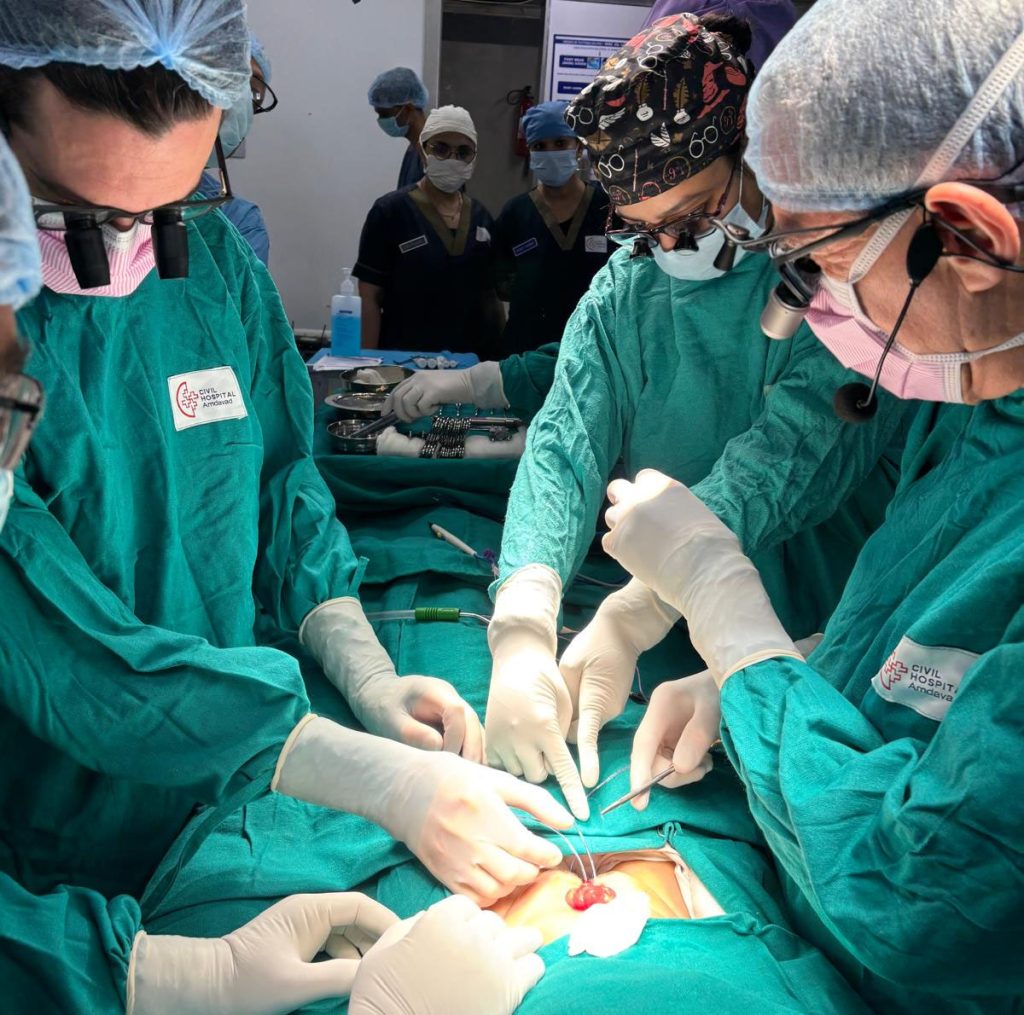
In many cases, surgeons perform a pelvic osteotomy, which involves adjusting the pelvic bones to support bladder closure and improve stability. This procedure helps bring the pelvic bones closer together and provides better support for the reconstructed bladder.
Orthopedic surgeons may assist with this part of the procedure.

Bladder exstrophy surgery is performed in a hospital operating room under general anesthesia. The surgical team typically includes pediatric urologists, anesthesiologists, nurses, and sometimes orthopedic specialists.
After surgery, the child is closely monitored by medical staff to ensure proper healing and recovery.
When bladder exstrophy is diagnosed before or shortly after birth, families work closely with healthcare providers to prepare for surgical treatment.
If the condition is diagnosed before birth, doctors may recommend delivering at a hospital with experience treating complex congenital conditions. This ensures that pediatric urology specialists can evaluate the baby soon after delivery.
Once the baby is born, doctors monitor the infant’s health and plan the timing of surgery.
Preparing for surgery may include:
Healthcare teams help guide families through each step of the process and answer questions about treatment.

Recovery after bladder exstrophy surgery requires careful monitoring and support while the bladder and surrounding structures heal.
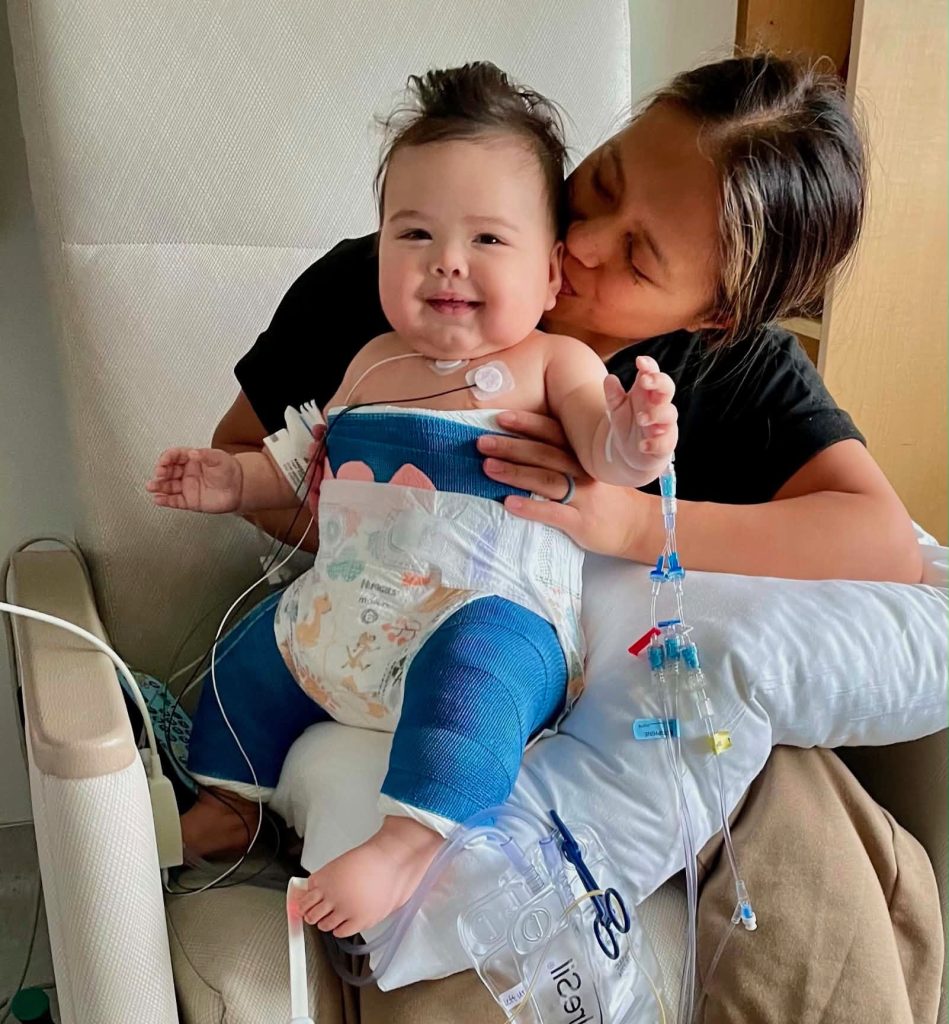
Babies typically remain in the hospital for several weeks following surgery. During this time, doctors monitor healing, manage pain, and ensure that the bladder repair remains stable.
Specialized nursing care helps protect the surgical site and support recovery.
Medical teams carefully manage pain after surgery using medications and supportive care. Pain management is an important part of helping infants remain comfortable during recovery.

If pelvic osteotomy was performed, doctors may temporarily limit movement to allow the pelvic bones to heal properly. In some cases, special positioning or casts are used to stabilize the pelvis during healing.
Healthcare providers closely monitor healing to ensure the best possible surgical outcome.
As with any major surgery, bladder exstrophy repair carries some risks. Pediatric urology teams take many precautions to reduce complications, but additional procedures may sometimes be necessary.
Possible complications may include:

Many children require follow-up surgeries later in childhood to improve bladder function and support urinary control.
Medical teams work closely with families to monitor progress and address any challenges that arise.
Recovery from bladder exstrophy surgery occurs over several stages as children grow and develop.
Immediately after surgery, infants remain in the hospital while the surgical site heals. Doctors monitor bladder function, kidney health, and overall recovery.

Some children may require additional procedures later in childhood to improve urinary continence or bladder function. Recovery timelines vary depending on the specific procedures performed.

Bladder exstrophy is a lifelong condition that requires ongoing medical follow-up. Many individuals continue to see urologists who monitor bladder health and kidney function throughout adulthood.

Although surgery is the primary treatment for bladder exstrophy, long-term care may involve additional strategies to support bladder function and urinary control.
Some individuals may require additional procedures or medical strategies to improve urinary continence. Pediatric urologists work with families to determine the best approach for each child.
In some cases, individuals may use intermittent catheterization to help empty the bladder effectively. Healthcare providers teach families how to perform this safely and comfortably.
Long-term care focuses on protecting kidney function and maintaining bladder health.
Families navigating bladder exstrophy treatment often benefit from connecting with others who understand the condition. Support organizations and patient communities can provide valuable information, reassurance, and shared experiences.
Resources may include
These resources help families feel supported throughout treatment and recovery.
Bladder exstrophy repair may be performed using either a primary single-stage repair or a staged surgical approach. The choice depends on the child’s anatomy and the medical team’s treatment strategy.
Advances in surgical techniques have significantly improved outcomes for bladder exstrophy. Many children achieve improved bladder function and lead active lives, although additional procedures may sometimes be needed.
Some children require additional surgeries later in childhood to support bladder function or improve urinary continence. Pediatric urology teams monitor each child’s development and recommend procedures as needed.
Yes. As children grow and receive appropriate medical care, bladder capacity and function may improve. Long-term follow-up with experienced specialists helps support the best possible outcomes.