

Managing bathroom needs at school is one of the most important parts of supporting a child with bladder exstrophy.
With the right plan in place, children can safely manage catheterization, maintain privacy, and participate fully in school activities.
This toolkit provides practical guidance and resources to help families, teachers, and school staff create a supportive and effective plan.
For children with bladder exstrophy, bathroom access is not just a convenience — it is an essential part of their health and daily care.
Without a clear plan, challenges may include:
A bathroom plan helps ensure that everyone involved understands your child’s needs and how to support them.
A simple plan may include:
Clear communication helps create a smoother and more supportive school experience.
School staff can be strong partners in supporting your child’s success.
It may be helpful to:
Every child is different, so involving your child in these conversations can help ensure their needs and preferences are respected.
A-BE-C provides several resources to help families communicate with schools and create effective support plans.
These letters can be customized and shared with your child’s school to help explain their needs.
A 504 Plan can help ensure your child receives necessary accommodations.
This may include:
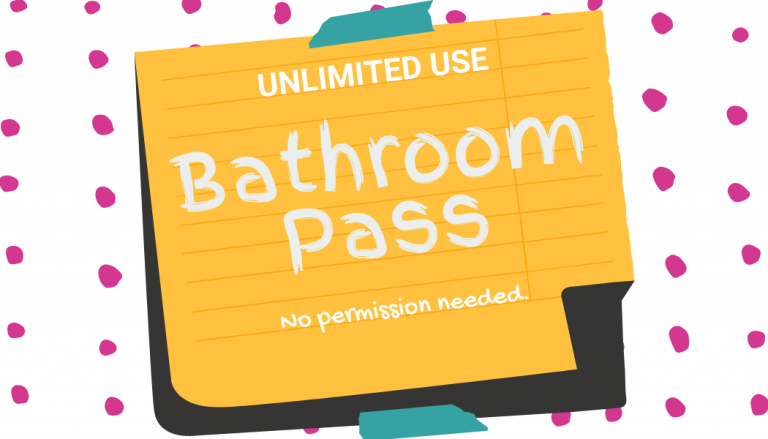
Bathroom passes can help ensure your child has discreet and consistent access to the restroom throughout the school day. Always work with your school team to ensure staff are aware and aligned.
These passes can:




Our at-a-glance fact sheet can be used as a reference guide when setting up 504 plans or making other accommodation plans with your child’s teacher.
Older students may find this tool useful to share with professors or other administrators to start a conversation about their unique bathroom requirements.

This bladder exstrophy informational sheet is a great resource to share with teachers, administrators, or even other parents who are curious about bladder exstrophy.
This can serve as a great learning tool to share and start a conversation.
Many families find it helpful to create a simple kit that their child can use at school. Keeping supplies organized and accessible can make daily routines easier and reduce stress.
A basic toolkit may include:
Families who have navigated school with bladder exstrophy often share helpful strategies:
Over time, these routines can help build confidence for both parents and children.
Managing medical needs at school can feel different at first, but with support, children can develop confidence and independence.
Encouraging your child to do the following:
It can make a meaningful difference in their school experience.
Educational resources on this page are supported by insights from medical experts and members of the bladder exstrophy community.

Dr. Elizabeth R. Mueller, MD, MSME
Professor of Urology and Obstetrics/Gynecology at Loyola University Chicago and specialist in pelvic health and urinary conditions. Dr. Mueller’s research highlights the importance of bladder health education and supportive school environments for children.

Pamela Artigas
Executive Director of A-BE-C and parent of a child with bladder exstrophy. Pamela brings both lived experience and global advocacy leadership to improving care and support for families.
Yes. With proper planning, privacy, and support, catheterization can be safely managed during the school day.
In many cases, a 504 Plan helps ensure your child has access to necessary accommodations and support.
This depends on your preference, but typically key staff such as teachers and the school nurse should be informed.
Providing educational materials and working with your child’s healthcare provider can help the school better understand your child’s needs.
Many families have successfully created bathroom plans that allow their children to thrive at school. With the right tools, support, and communication, your child can feel confident, prepared, and included in their school environment.