
Living with bladder exstrophy involves managing a rare congenital condition that affects the urinary system and pelvic anatomy. With modern surgical care and long-term medical support, many individuals with bladder exstrophy attend school, participate in activities, build careers, and lead fulfilling lives.
Although treatment often begins soon after birth, bladder exstrophy is a lifelong condition that requires ongoing care and support. Families and individuals may navigate medical follow-up, daily management routines, and emotional or social challenges as children grow.
With guidance from healthcare providers, supportive communities, and organizations such as A-BE-C, many individuals with bladder exstrophy develop confidence, independence, and strong quality of life.
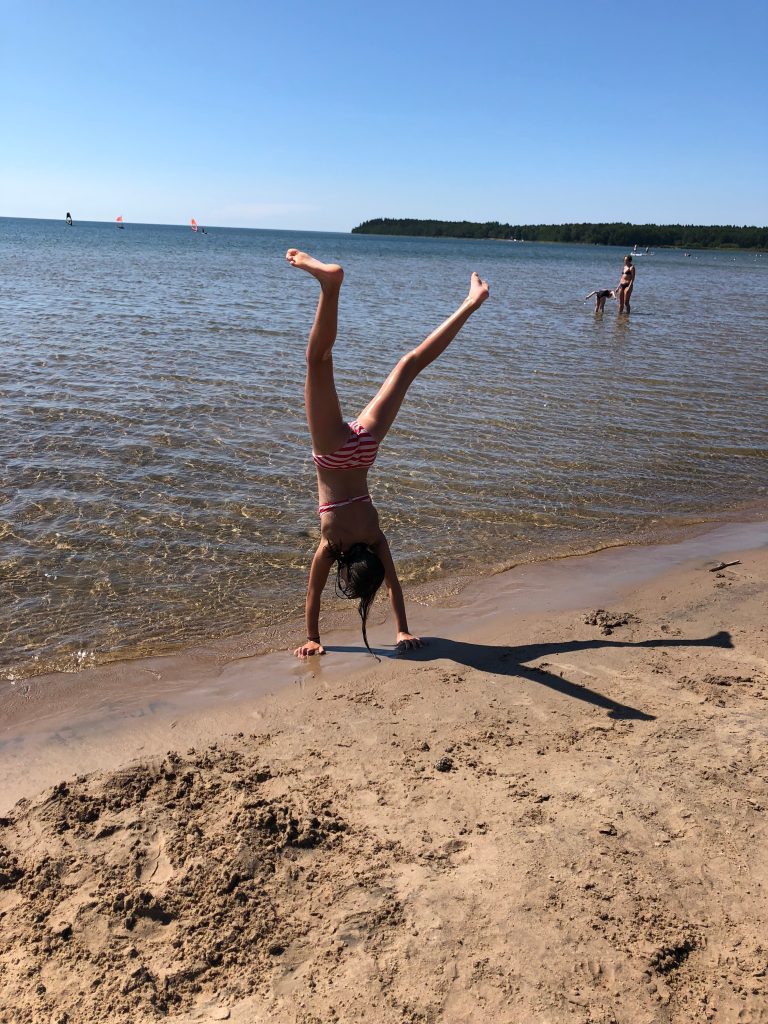
Advances in pediatric urology and reconstructive surgery have significantly improved the long-term outlook for individuals born with bladder exstrophy. Many children grow up to live active and fulfilling lives with proper medical care and support.
Quality of life can vary depending on the individual’s anatomy, treatment history, and ongoing medical needs. However, most individuals with bladder exstrophy are able to:
Regular follow-up with urologists and other specialists helps ensure bladder health, kidney protection, and overall wellbeing over time.
Daily life for children and adults with bladder exstrophy often includes routines that support bladder health, comfort, and confidence. These routines may involve medical care, practical strategies for managing bladder function, and open communication with caregivers or teachers.
Most children with bladder exstrophy attend school and participate in classroom activities just like their peers. Families may work with teachers, school nurses, or administrators to ensure that children have access to any accommodations they need.
Examples of helpful school support may include:
Supportive school environments can help children feel comfortable and confident as they learn and grow.
Many children and teens with bladder exstrophy are able to participate in sports, recreational activities, and social events. Physical activity can support overall health, confidence, and social connection.
Doctors may provide guidance on safe participation after surgery or during recovery periods. With proper care and support, many individuals enjoy active lifestyles that include sports, travel, and hobbies.
Traveling with bladder exstrophy is possible for many individuals and families with proper planning. Some helpful strategies may include:
Families often develop routines that make travel easier and more comfortable over time.
Some individuals with bladder exstrophy may use specific bladder management techniques depending on their surgical history and medical needs. These strategies may include timed bathroom visits, catheterization routines, or other approaches recommended by healthcare providers.
Doctors and nurses can help families learn safe and effective ways to manage bladder care as children grow and gain independence.
Living with a rare condition can sometimes affect emotional wellbeing. Children, teens, and adults may experience feelings related to being different, managing medical care, or navigating social situations.
Supportive environments and access to helpful resources can make a significant difference.
Some individuals may have questions or concerns about how their body looks or functions. Encouragement from family members, healthcare providers, and peer communities can help build self-confidence and positive self-image.
Sharing experiences with others who understand the condition can also help individuals feel less alone.
In some cases, counseling or psychological support can help individuals and families navigate emotional challenges related to medical care or life transitions.
Mental health professionals familiar with chronic medical conditions can provide helpful strategies for coping with stress, anxiety, or social concerns.
Bladder exstrophy requires lifelong medical follow-up. As children grow into adulthood, care often transitions from pediatric specialists to adult urologists experienced in treating the condition. Organizations and support communities can help guide individuals and families through this transition.
Transition planning may involve:
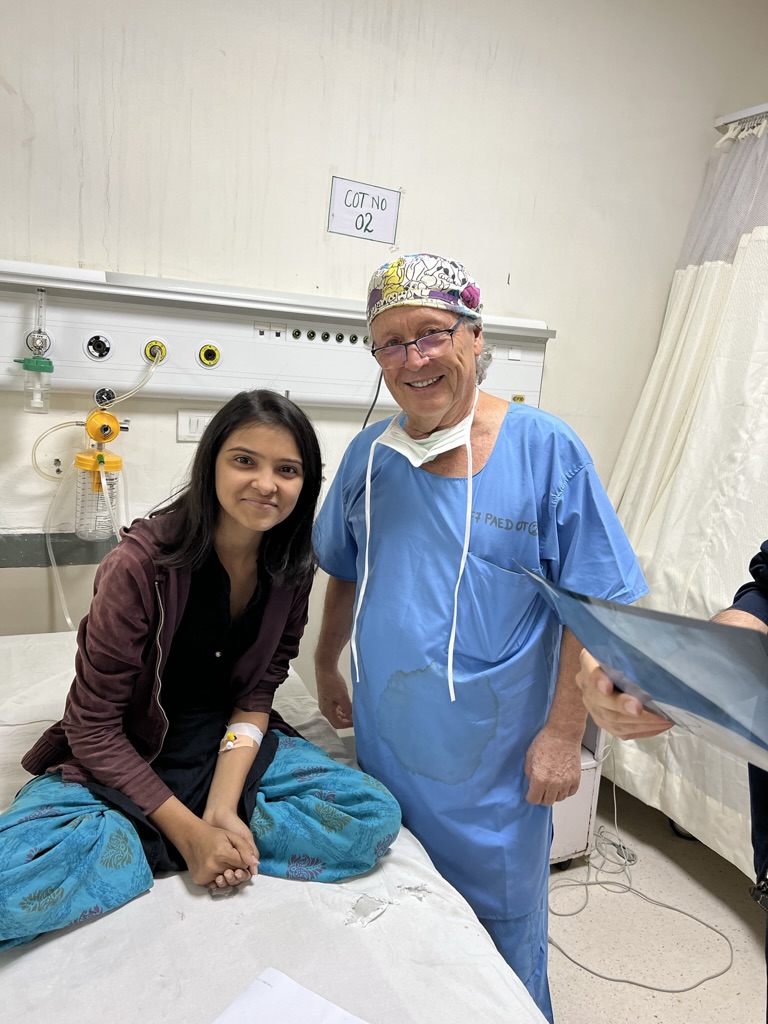
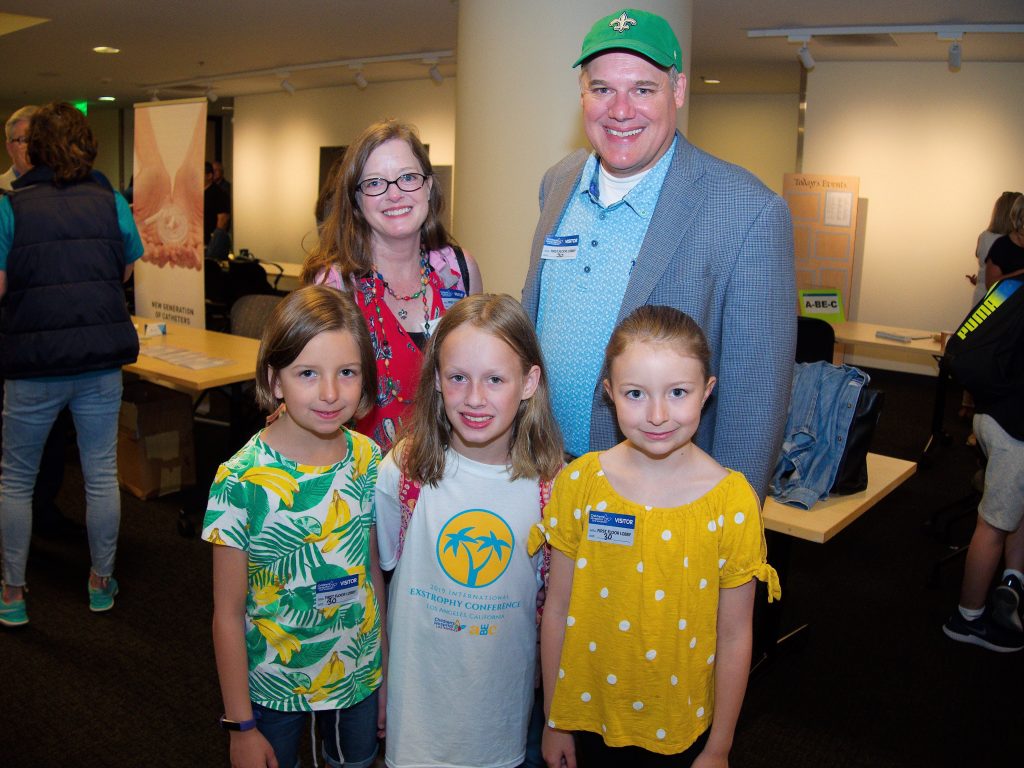
Families affected by bladder exstrophy often benefit from connecting with others who share similar experiences. Community support can provide reassurance, practical advice, and a sense of belonging.
Support networks may include:
A-BE-C exists to help connect individuals and families with trusted resources and supportive networks.
Many children with bladder exstrophy grow up to participate in school, sports, and everyday activities with their peers. With appropriate medical care and support, many individuals lead active and fulfilling lives.
In many cases, yes. After surgical recovery and with guidance from healthcare providers, many individuals can participate in physical activities and sports.
Teenagers may have questions related to body image, independence, and medical management. Support from family members, healthcare providers, and peer communities can help teens navigate these challenges.
Adults with bladder exstrophy often continue working with urologists who specialize in long-term bladder health. Many adults pursue careers, relationships, and family life while managing their medical care.