
“I stand before you today not as an Executive Director, but as a mother.” — Pamela Artigas
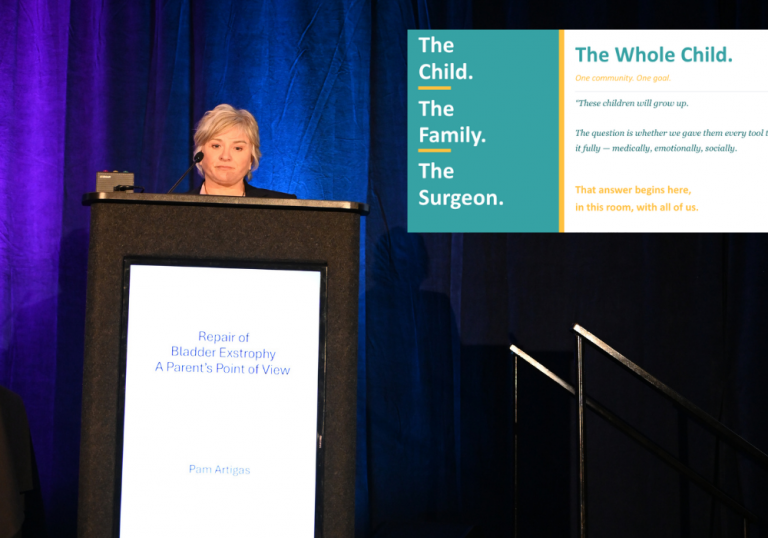
“These parents are not reading peer-reviewed journals in the delivery room,” Pamela shared. “They are parents in crisis. They are looking for a lifeline, not a lesson in surgical mechanics.”
Many families described entering consultations emotionally exhausted and trying to process multiple surgical philosophies while knowing almost nothing about the condition itself. Families rated the clarity of surgical education at just 2.9 out of 5 — what Pamela called “a Grade C for the most important medical decision of their child’s life.”
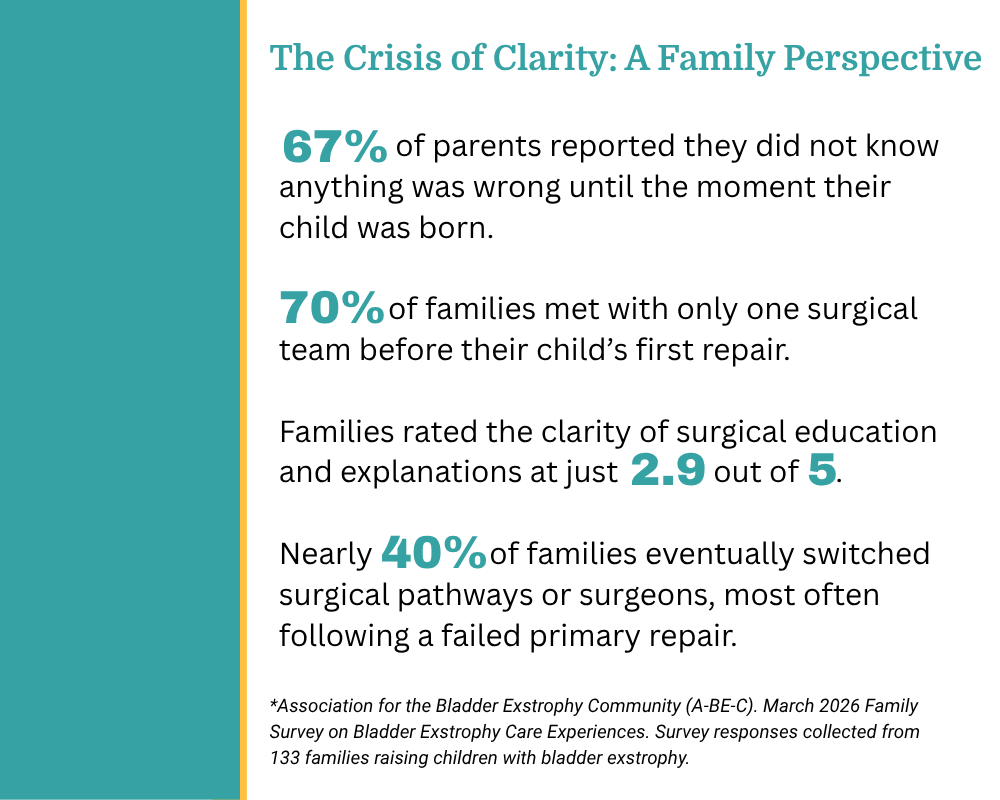
Many families described entering consultations emotionally exhausted and trying to process multiple surgical philosophies while knowing almost nothing about the condition itself. Families rated the clarity of surgical education at just 2.9 out of 5 — what Pamela called “a Grade C for the most important medical decision of their child’s life.”
“Your words in the consult room become weapons families use against each other online,” Pamela shared.
“Clinical metrics are the foundation,” Pamela explained. “But social normalcy is the house. And you can’t live in a foundation.”
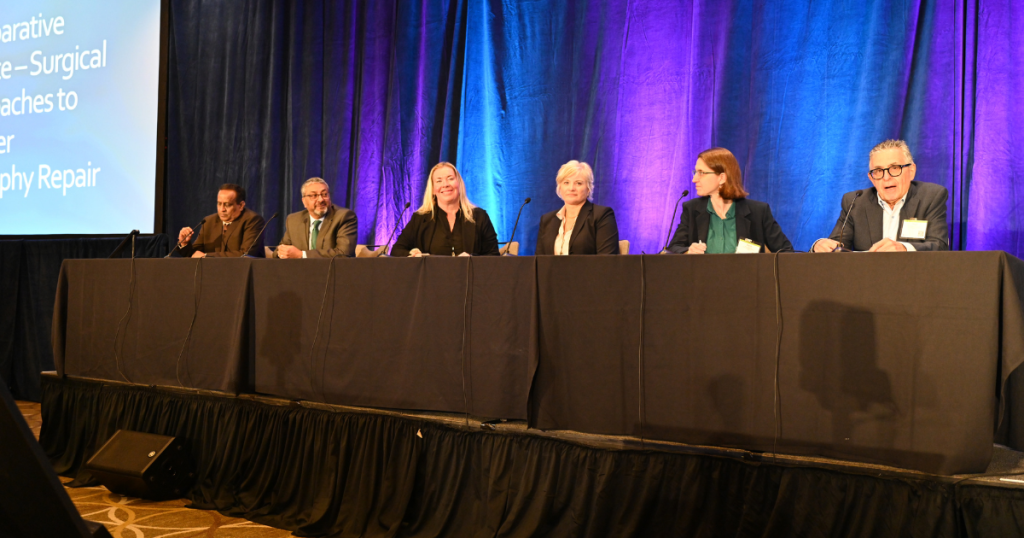
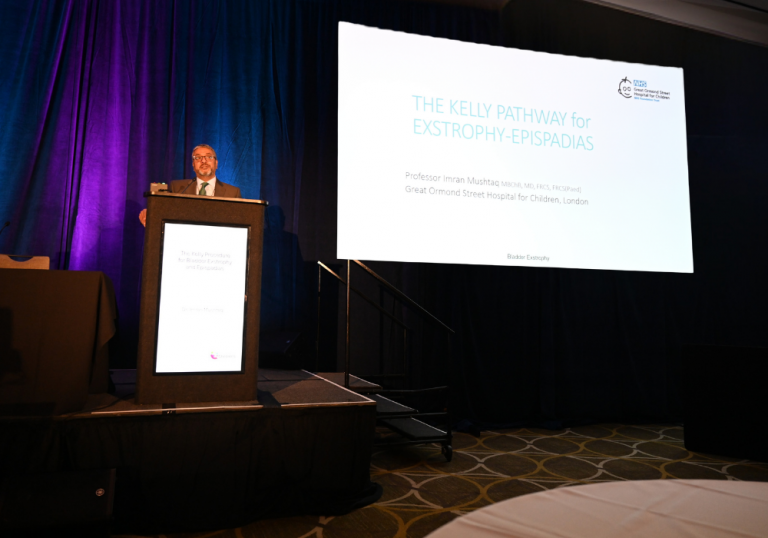
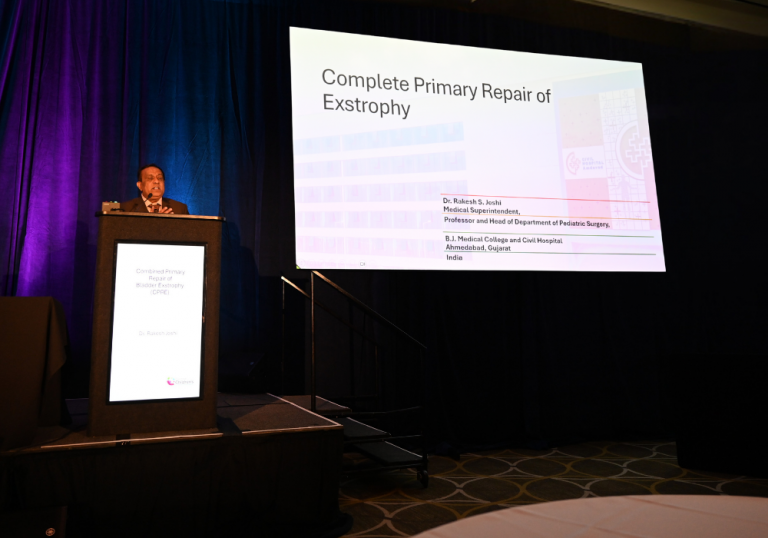
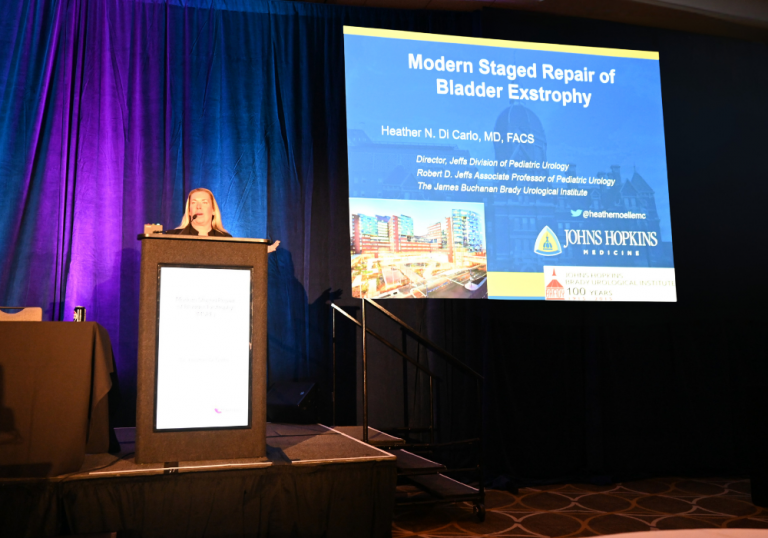
The event featured a dynamic discussion among leading surgeons representing three distinct surgical philosophies, including Dr. Imran Mushtaq, Dr. Heather Di Carlo, and Dr. Rakesh Joshi. Additional panelists, including Dr. Paul Merguerian, Dr. Dana Weiss and Pamela Artigas, brought both clinical and family-centered perspectives into the conversation.
There was no fighting. No arguing. No defense of ego or territory.
Providers openly acknowledged that families have too often been left navigating confusion during moments of crisis. The discussion became less about defending individual techniques and more about listening to what families were actually asking for: transparency, collaboration, honesty, and support.
As Paul Merguerian described it, the moment felt historic.
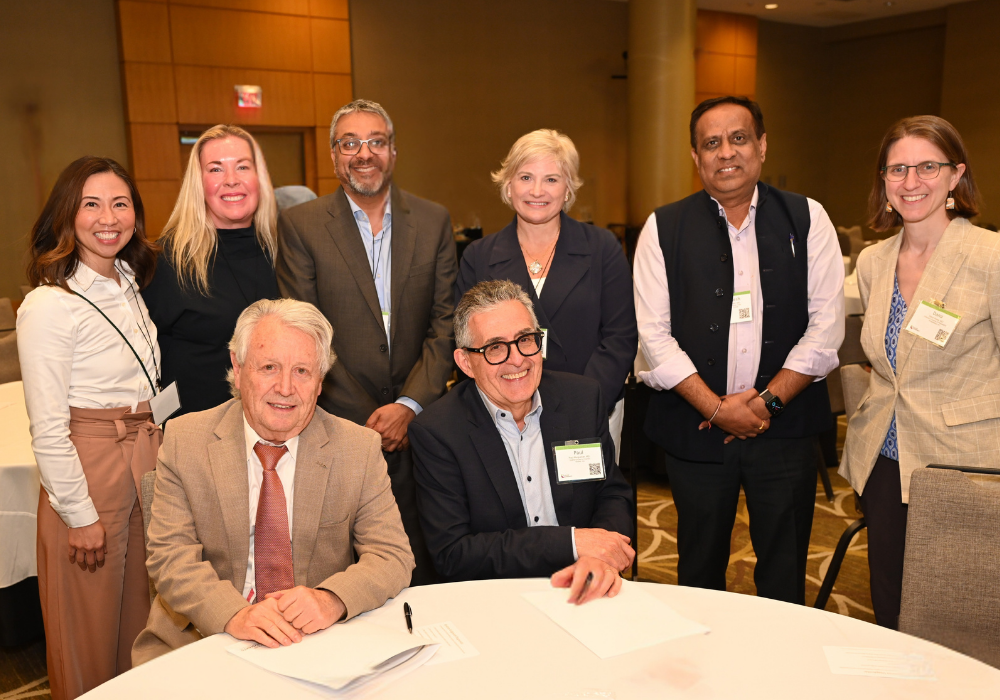
A-BE-C Advisory Board Members at the Meeting.
Standing (left to right) – Dr. Evalynn Vasquez, Dr. Heather DiCarlo, Professor Imran Mushtaq, Executive Director Pamela Artigas, Dr. Rakesh S. Joshi, Dr. Dana A. Weiss
Seated – Dr. Joao Luiz Pippi Salle, Dr. Paul A. Merguerian
Rather than continuing to operate in silos, these leaders committed to working together to better understand each other’s methods, share outcomes, and improve care collectively.
Just weeks after the debate, leaders reconvened and committed to building a true global partnership focused on improving outcomes for every child affected by bladder exstrophy.
A new chapter for bladder exstrophy care has begun. One built not on division, but on trust, transparency, collaboration, and the shared belief that families deserve more than technical brilliance alone.
They deserve to be heard.
A recording of Pamela Artigas’ presentation at the meeting has been made available and includes statistics, quotes and feedback from 133 families of exstrophy children.
Leave a Reply