
Long-Term Care
Many individuals born with bladder exstrophy continue to manage aspects of the condition throughout adulthood. While treatment usually begins in infancy, bladder exstrophy is considered a lifelong condition that may require ongoing medical care and monitoring.
Advances in pediatric surgery and long-term urologic care have allowed many adults with bladder exstrophy to pursue education, careers, relationships, and family life. However, adult patients may experience unique challenges related to urinary function, reproductive health, and access to specialists familiar with the condition.
With appropriate medical care and community support, many adults with bladder exstrophy live active and fulfilling lives.
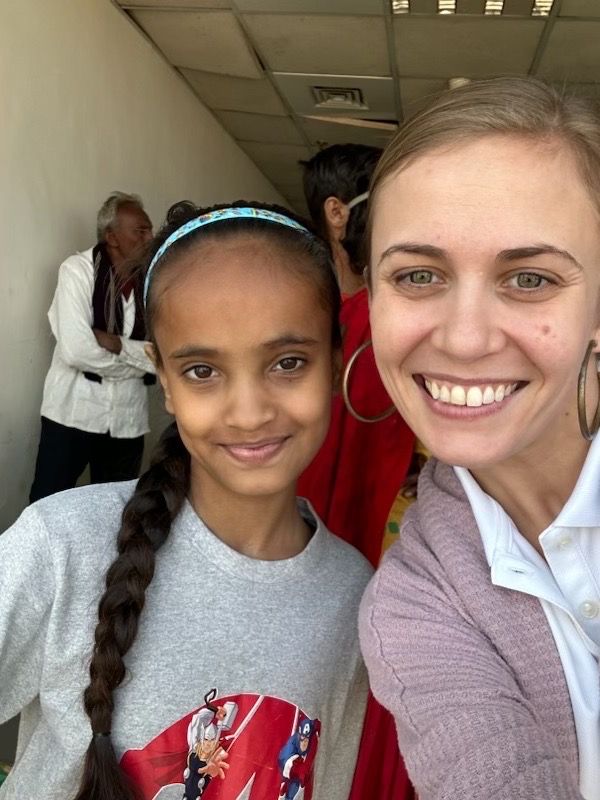
Many people with bladder exstrophy feel well for years between appointments. Regular follow-up helps identify potential concerns early often before they cause symptoms or allows for adequate planning or preventative care to manage urinary diversions.
See the Adult Health and Wellness Page for more information.

Many of the most important decisions in bladder exstrophy care occur during childhood and adolescence. Procedures performed during these years often establish the foundation for how the urinary system functions throughout adulthood.
Depending on your child’s individual anatomy and treatment plan, these decisions may influence:

As children become teenagers, treatment goals often begin to shift.
For some patients, adolescence is also the time when follow-up reconstructive procedures aimed at improving bladder function or urinary continence are considered. These decisions are highly individualized and are made after careful discussion between families and experienced exstrophy specialists.
In addition to protecting the kidneys and urinary tract, care may focus on helping young people develop greater independence, participate in school and activities, prepare for adulthood, and achieve the best possible quality of life.

One of the challenges many patients face is transitioning from pediatric care to adult healthcare providers. Pediatric urologists often manage bladder exstrophy during childhood, but adult specialists with experience treating the condition can be more difficult to find.
Transition planning may include:
Because bladder exstrophy affects the urinary system, adults typically benefit from ongoing medical follow-up throughout their lives.
Doctors may monitor several aspects of long-term health, including:
Regular evaluations with urologists familiar with complex urinary conditions help ensure long-term health and early detection of potential complications.

In some cases, adults with bladder exstrophy may seek additional medical treatments or surgical procedures to improve bladder function or quality of life.

Some adults undergo additional reconstructive procedures later in life to address complications or improve urinary continence. These procedures may include revision surgeries or bladder reconstruction techniques tailored to the individual’s needs.

Certain medical interventions may help improve urinary control. Treatment options may include:
Treatment decisions are made collaboratively between patients and experienced urology specialists.

Pelvic health specialists may also provide support for adults experiencing pelvic floor concerns. Physical therapy and specialized care can sometimes help improve comfort, bladder control, and overall pelvic health.
Because bladder exstrophy is rare, not all urologists have experience treating adult patients with the condition. Adults may benefit from seeking care from providers who specialize in complex reconstructive urology or long-term exstrophy management.
Patients often find specialists through:
Access to knowledgeable providers can make a significant difference in long-term care and health outcomes.


Living with a rare medical condition can affect emotional wellbeing and social experiences. Some adults with bladder exstrophy may navigate challenges related to body image, medical history, or managing long-term care.
Support networks can play an important role in helping individuals feel connected and understood. Many adults find encouragement through:
Connecting with others who share similar experiences can help individuals build confidence and navigate adulthood with greater support.
Yes. Because bladder exstrophy affects the urinary system, many adults continue to see urologists throughout their lives to monitor bladder function and kidney health.
Many adults with bladder exstrophy are able to have children. Fertility and reproductive health can vary depending on the individual’s anatomy and surgical history, so consultation with healthcare providers is recommended.
Yes. Patients often seek care from urologists with experience in reconstructive or congenital urologic conditions. A-BE-C has provided a list of urologists treating adults with BE here.
Many adults with bladder exstrophy pursue careers, relationships, and family life while managing their medical care. With proper treatment and support, individuals can lead active and fulfilling lives.